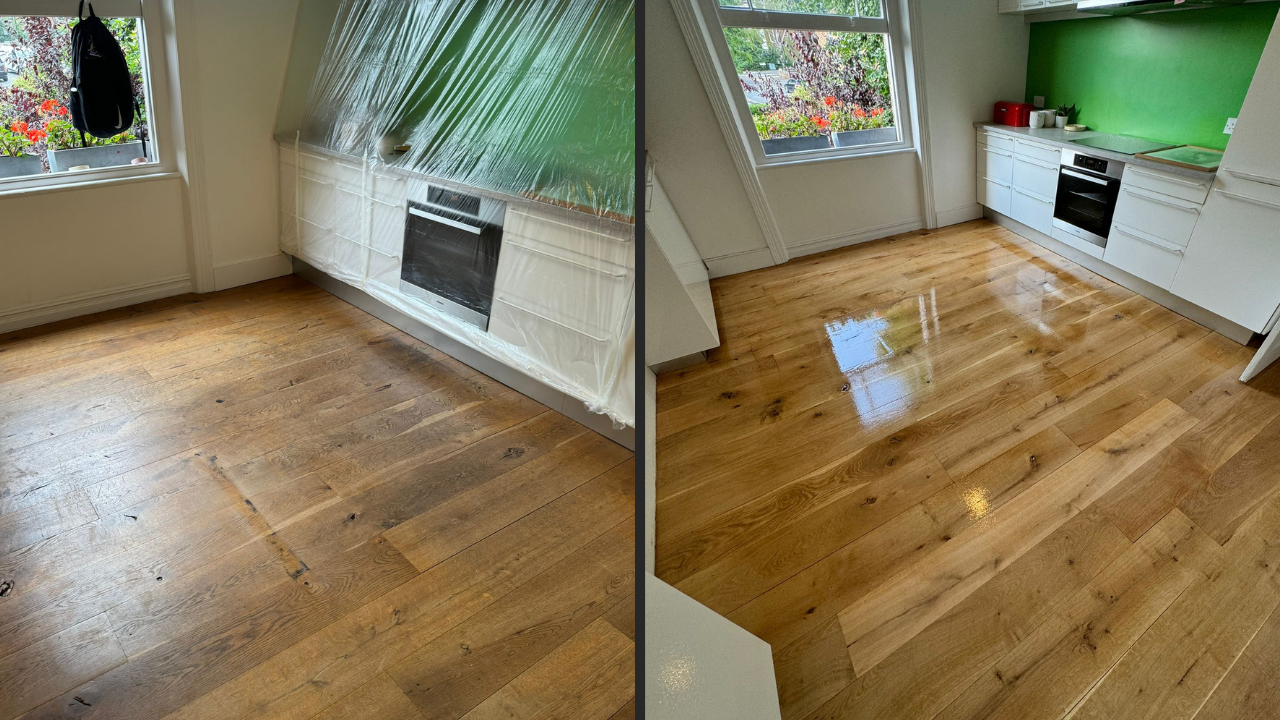
Extend Your Floor’s Lifespan: Why Regular Sanding is a Must
You see, wood floors are the aristocrats of the home. They whisper elegance, class, and tradition. Walk into a home with gleaming wooden floors, and it immediately speaks of care, taste, and longevity. But what happens when those very same floors are neglected? They scuff, scratch, and, in the worst cases, give up entirely. A shame, because the solution is so simple: regular wood floor sanding.
You might think wood floor sanding is a hassle. A dusty, noisy business. And yes, done badly, it can be. But when done right, it’s the secret sauce to floors that don’t just last decades, but generations.
Let’s take a closer look at why.

The Simple Truth: Your Floors Are Always Under Attack
Whether it’s the constant shuffle of shoes, the enthusiastic paws of pets, or the occasional drop of something heavy, your wooden floors endure more abuse than you think. Add to that:
- Sunlight: It fades and discolours wood.
- Moisture: The culprit behind warping and swelling.
- Time: Eventually, all wood dulls, scratches, and loses its sheen.
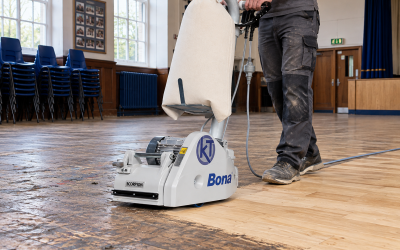
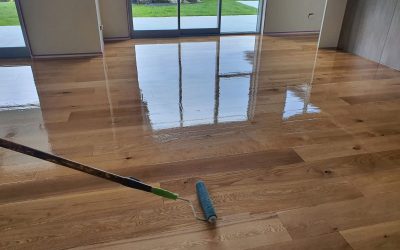
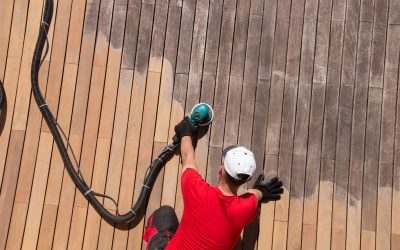
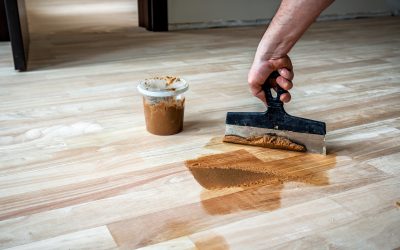
Here’s where sanding comes in. Regular sanding removes surface damage, levels the wood, and breathes life back into tired boards. It prepares your floor for resealing, staining, or polishing – steps that ensure it withstands everything life throws its way.
Let’s face it: ignoring a damaged wood floor only makes the problem worse. Wait too long, and you’ll be looking at costly replacements. That brings us to the next point…
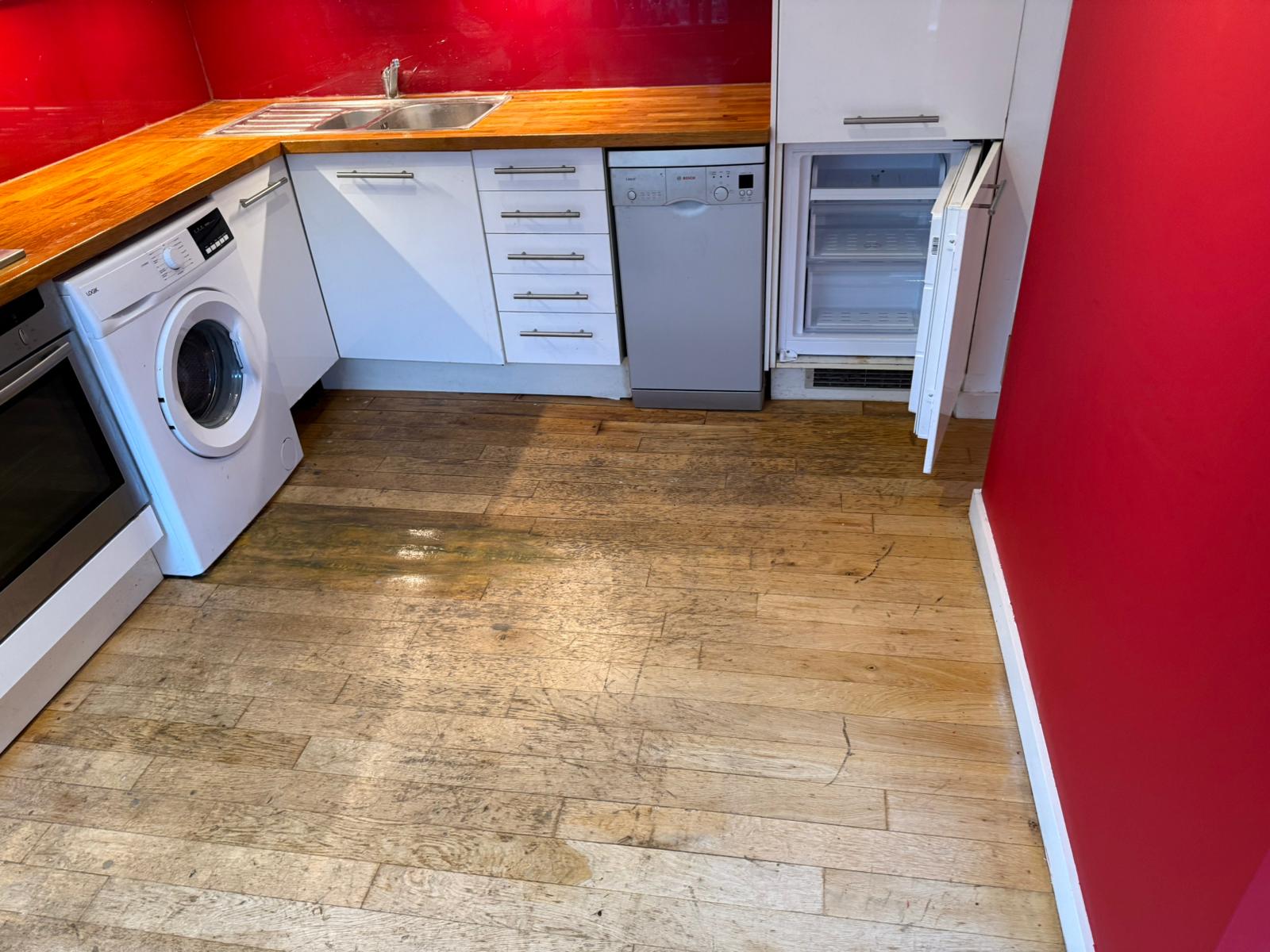
Prevention Costs Less Than Cure
Imagine this: you own a classic car. Would you wait until the engine explodes to take it to a mechanic? Of course not. You’d service it regularly, keep it polished, and look after it.
Your wooden floor deserves the same respect.
Floor sanding is like routine maintenance for your floors. It stops small scratches turning into deep gouges. It prevents wear and tear from spreading. And it’s far cheaper than the alternative – a full-on floor replacement.
Think of it this way:
- Small, regular sanding sessions: Affordable, minimal disruption, and quick.
- Ignoring your floors for a decade: Expensive repairs or replacements that could turn your home into a construction site.
Why put yourself through that?
It’s About More Than Just Looks
Here’s the thing about wooden floors: they’re not just about aesthetics. Sure, a freshly sanded and polished floor looks stunning – but there’s more to it.
- Hygiene: Scratches and dents trap dirt, dust, and allergens. Sanding eliminates those crevices, creating a cleaner, healthier environment.
- Stability: Damaged wood can loosen, crack, or warp. Regular sanding keeps floors structurally sound.
- Longevity: A well-maintained floor can last for over 100 years. Without sanding, you’re shaving decades off that lifespan.
Put simply, wood floor sanding doesn’t just make your floors look good. It makes them better.
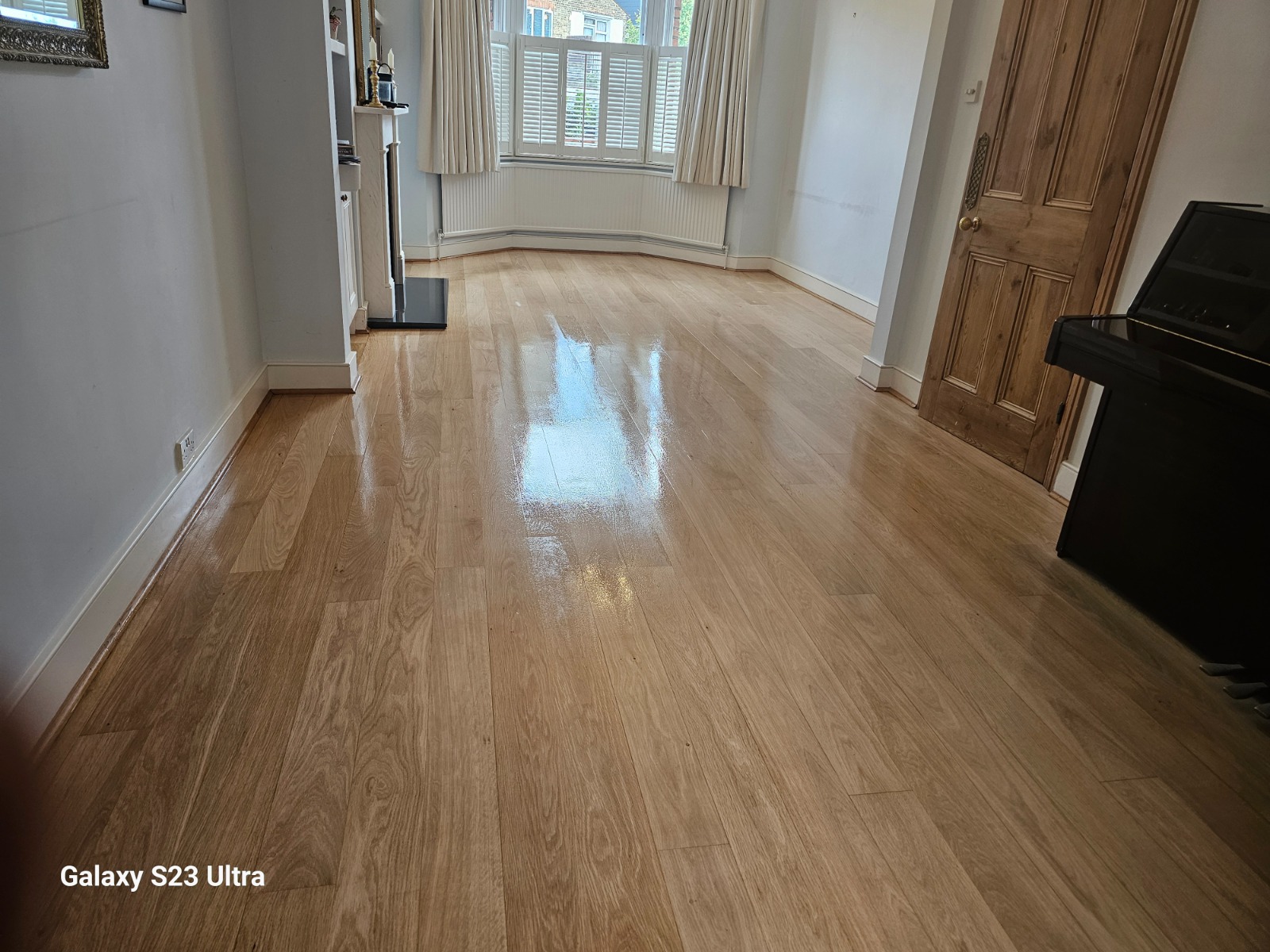
Why You Shouldn’t DIY Sanding – Unless You Really Know What You’re Doing
Now, I know what some of you are thinking. “Surely I can rent a sander and do this myself?”
Well, yes – technically you can. But here’s the reality: DIY floor sanding is harder than it looks. A small mistake – sanding too aggressively, using the wrong grit, or failing to finish properly – can ruin your floors beyond repair.
Let me put it bluntly:
- Floor sanding requires skill. Professionals know how to handle uneven boards, intricate edges, and tricky corners.
- The tools matter. Commercial-grade sanders are far more effective than the rental machines you’ll get at the hardware store.
- Finishing is an art. The wrong sealant or polish can make your floors look worse, not better.
A professional knows exactly how much wood to remove, which finishes will work best for your specific floor, and how to leave your home looking spotless. The cost of hiring an expert? Far less than the cost of repairing a botched DIY job.
How Often Should You Sand Your Floors?
The answer depends on a few things: the type of wood, the level of traffic, and how well you maintain it between sandings. As a rule of thumb:
- High-traffic areas (hallways, living rooms): Every 5–7 years.
- Low-traffic areas (bedrooms): Every 10–15 years.
If your floors are starting to look dull, scratched, or uneven, it’s probably time to call in the professionals.
Remember: prevention is always cheaper than cure.
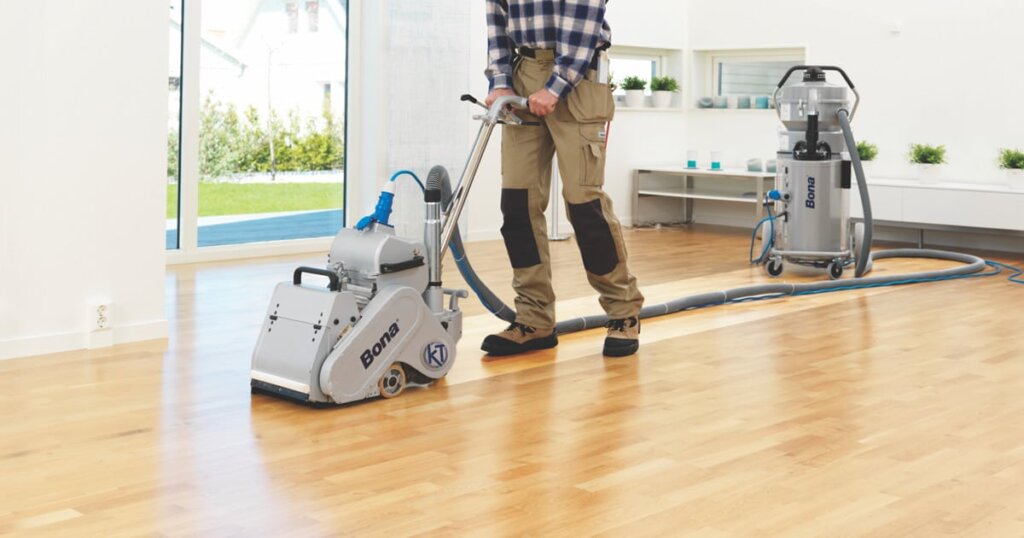
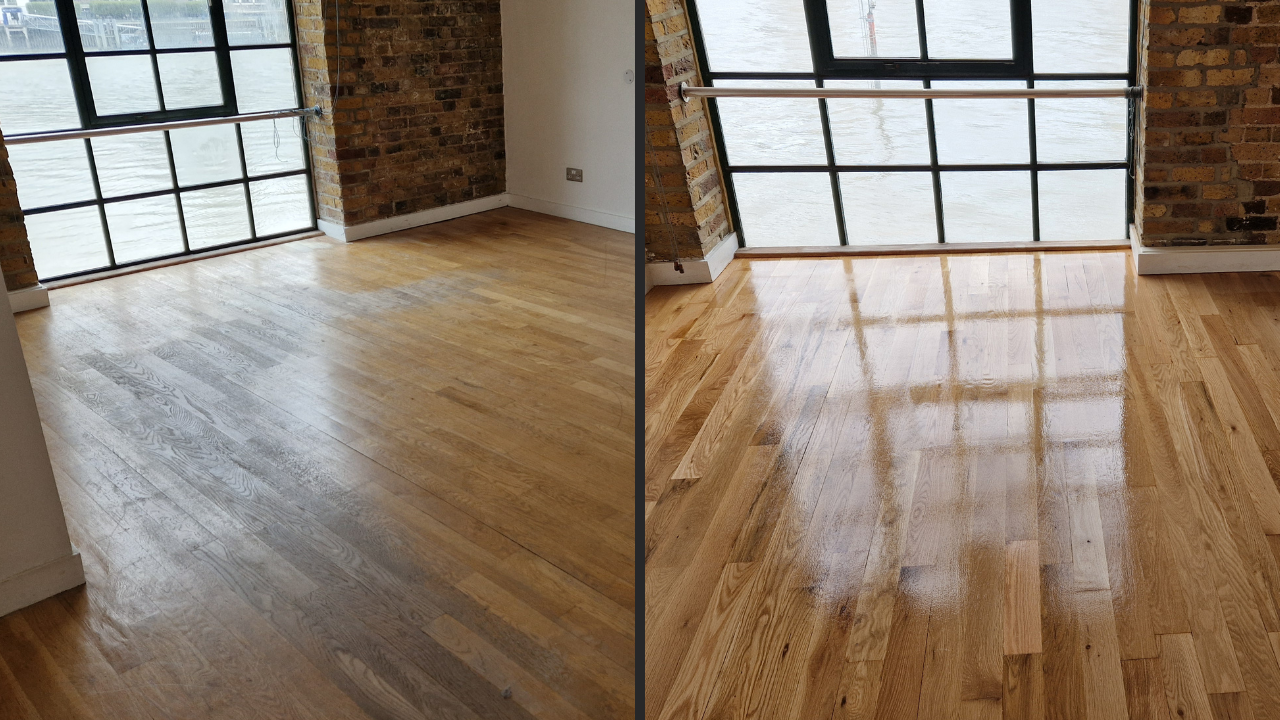
The Transformation Is Remarkable
If you’ve never seen a floor before and after sanding, you’re missing out. It’s like taking an old, tired piece of furniture and restoring it to its original glory.
Dull, scratched wood becomes smooth and radiant. Faded boards regain their colour. And the best part? It doesn’t just look good – it feels good. There’s something deeply satisfying about walking barefoot on perfectly smooth, polished wood.
Don’t take my word for it. Look up some before-and-after photos. Or better yet, try it yourself. You’ll never look at your floors the same way again.
A Final Word: Treat Your Floors Like an Investment
Because that’s what they are – an investment in your home. Good wooden floors add value to your property. They make rooms feel warmer, bigger, and more inviting. And they stand the test of time.
But only if you look after them.
So here’s my advice: don’t wait until it’s too late. Schedule regular wood floor sanding, hire professionals, and enjoy the satisfaction of knowing your floors will last a lifetime – or longer.
Trust me, your future self (and your floors) will thank you.